Last week, we used the Odyssey as a metaphor for our journey: Odysseus set off, and we left him in Lombardy among the vats of Arrigoni, where Quartirolo is born—a young, fresh cheese that tells its story in just a few days.
This week, we focus on the counterpoint to the journey: Penelope. If Odysseus represents movement, departure, and discovery, Penelope is the figure who acts as his mirror: she remains in Ithaca and weaves. By day she weaves the thread, and by night she unravels it: a slow, patient effort that feeds on waiting. For us at Gourm.it, there is no better metaphor than this to represent the aging process.
A cheese that weaves time
Parmigiano Reggiano Vacche Rosse aged over 36 months PDO, produced by Grana D'Oro, is the ultimate incarnation of the concept of aging itself. Here, the metaphor of Penelope's shroud fits perfectly: aging is not a passive wait, but a slow weaving and reweaving of aromas, texture, and balance.
A breed that gave rise to the myth
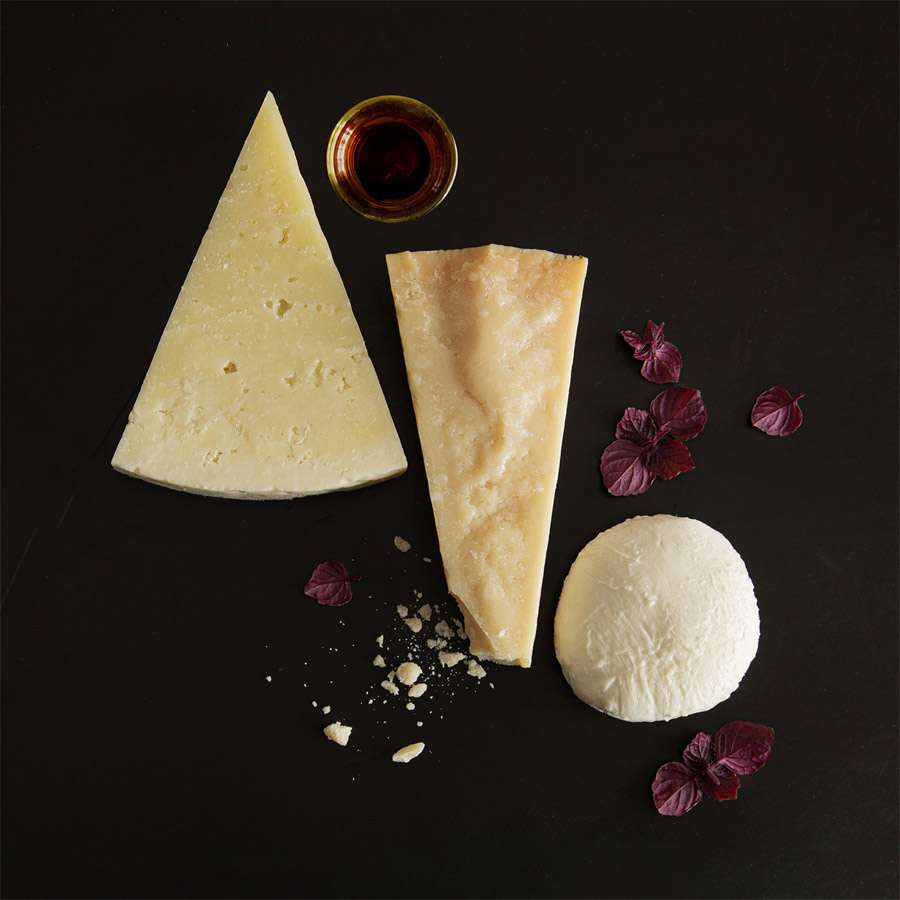
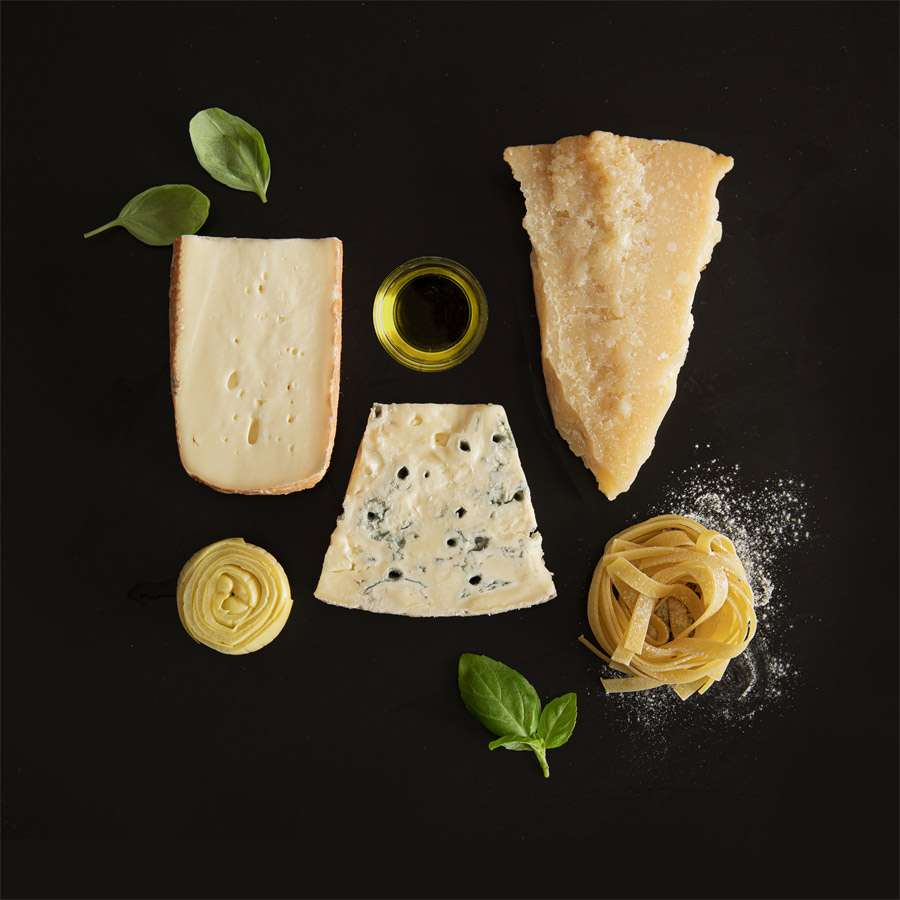
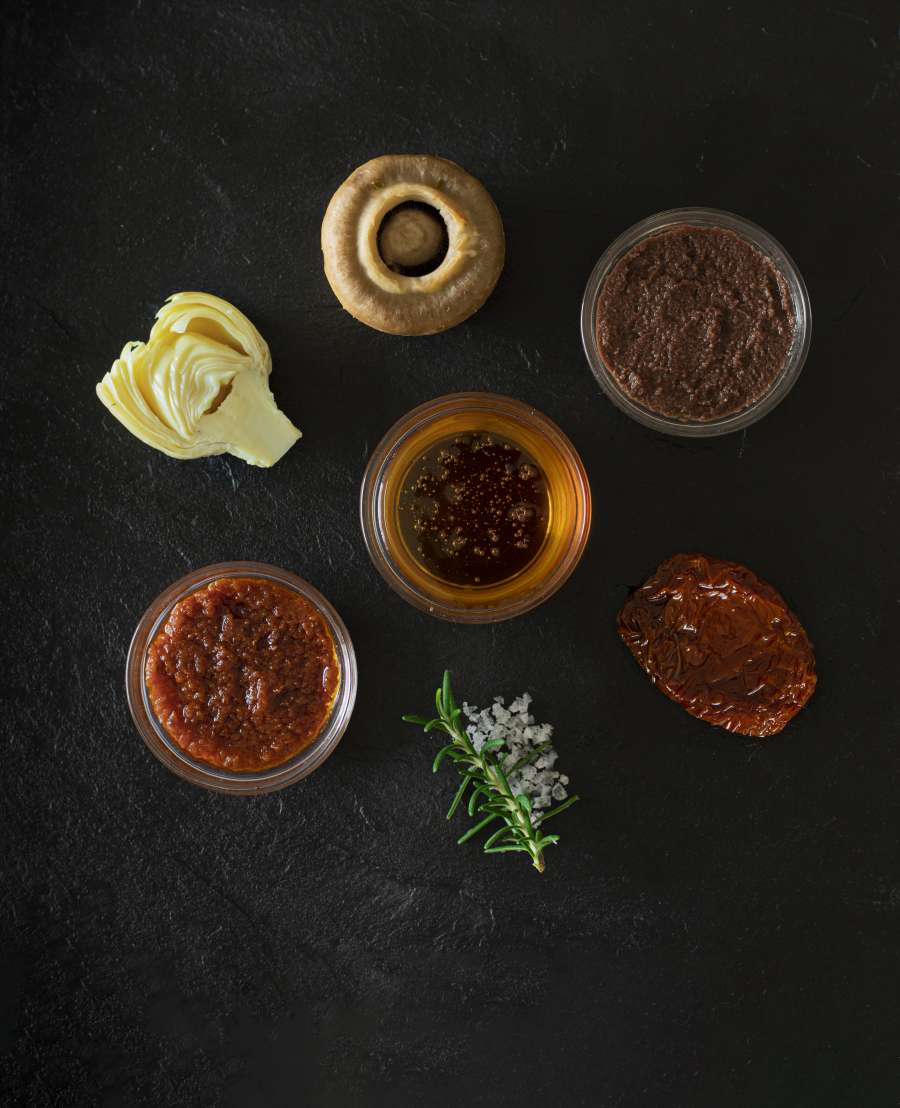
Parmigiano Reggiano Vacche Rosse (Red Cows) is produced, as the name suggests, using milk from the Reggiana breed, which arrived in the Po Valley around the 6th century. This breed is known as the "mother" of Parmigiano Reggiano, as it was from its milk that Benedictine monks created the very first Parmigiano Reggiano eight centuries ago. It is precisely within this milk that the secret to long aging lies: Red Cows produce less milk compared to the Holstein breed, but what little they yield is rich in protein and a specific variant of casein, the protein that regulates coagulation. This feature makes the milk naturally suited to "resisting" time, giving rise to a cheese capable of maturing for years without losing balance. For this reason, Parmigiano Reggiano Vacche Rosse cannot be marketed before 24 months—a wait that enhances its flavor and aroma, improves its digestibility, and makes it a food rich in calcium and protein suitable for almost everyone (thanks to the natural absence of lactose). During the aging process, month after month, the texture becomes finer and more elastic, the color turns to an intense straw yellow, and the flavor remains sweet, distinct, and persistent. A result that comes not only from the milk, but also from strict production standards (green forage, no forced lactation, non-GMO grains), combined with the cheesemaker's expert touch and traditional processing. All of this combined gives this Parmigiano its granular, fragrant texture, where you can discover the scent and natural character of grasses typical to the production area. Parmigiano Reggiano Vacche Rosse lends itself to many uses: in slivers on its own, in quick salads, paired with fruit mustard, honey, or Traditional Balsamic Vinegar of Modena, or as an ingredient capable of adding character to dishes. In the glass, its natural partner remains Lambrusco, but it also pairs well with full-bodied, structured red wines, sweet white wines, and Malvasias.
Our next port of call: Grana D'Oro
And while Penelope weaves and the wheels of Parmigiano Reggiano Vacche Rosse age day after day, month after month, year after year, our journey does not stop: on Saturday, September 12, 2026, Gourm.it will be visiting Grana D'Oro for its 90th anniversary. Next week, we will tell you all about what we find!