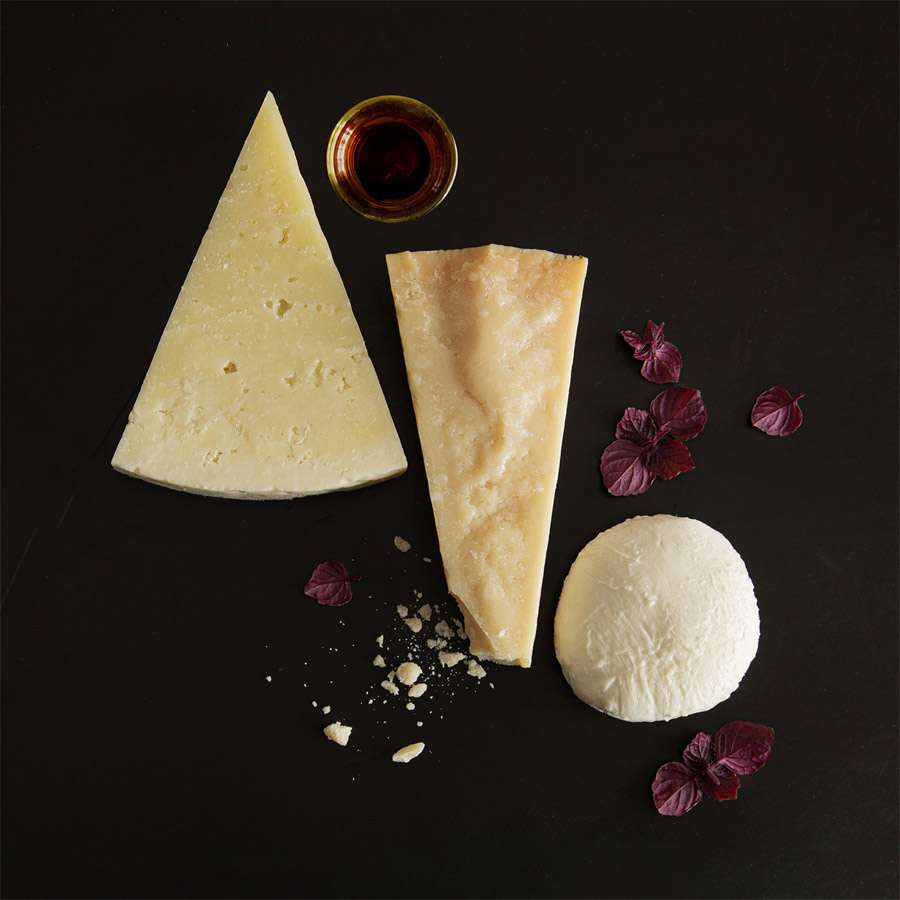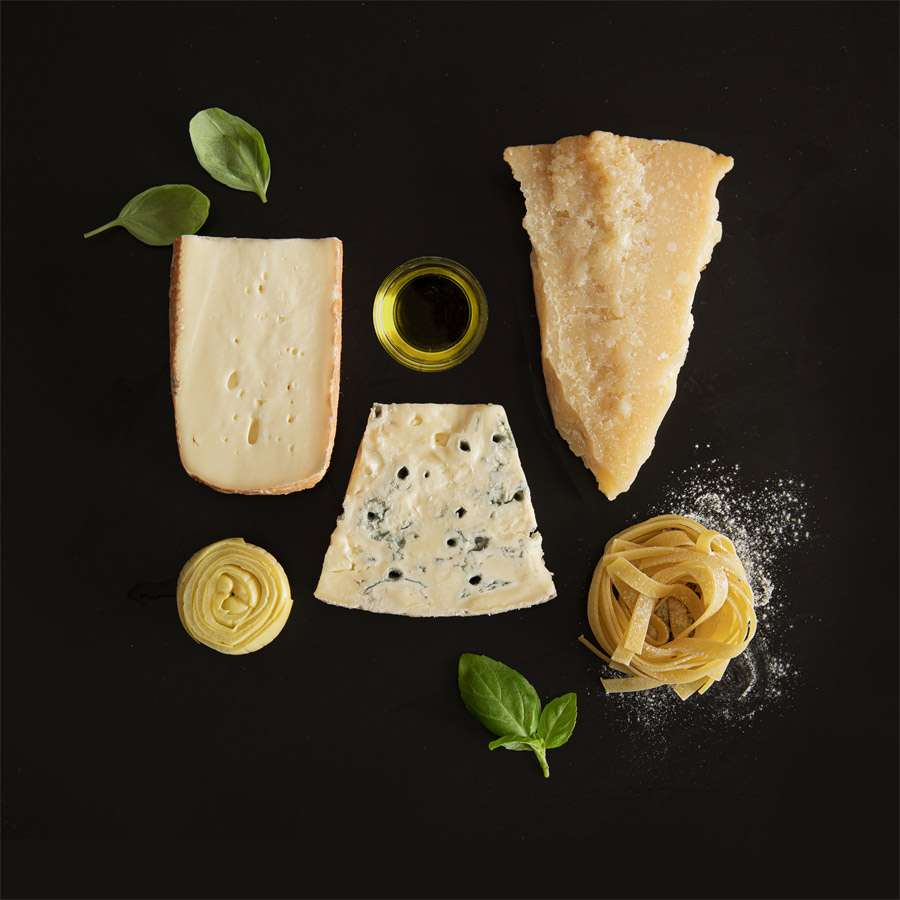
Parmigiano Reggiano has always been one of the most authentic symbols of Italian gastronomic tradition. When this extraordinary cheese is produced according to the principles of organic farming, its value is further enhanced, combining its unmistakable flavor with a strong commitment to the environment, animal welfare, and consumer health.
What “organic” means in Parmigiano
Talking about organic Parmigiano means referring to a product made in compliance with strict European regulations. Cows are fed exclusively with organic forage, free from pesticides and chemical fertilizers, often grown directly on the farm’s land. The use of genetically modified organisms (GMOs) is prohibited, and the use of antibiotics is strictly limited and controlled.
This approach ensures a more transparent and natural supply chain, where every stage of production is monitored to maintain high quality standards.
The connection to the territory
Like traditional Parmigiano, the organic version is also produced in a specific area, between the provinces of Parma, Reggio Emilia, Modena, and parts of Bologna and Mantua. Here, the climate, soil, and techniques passed down through generations contribute to creating a unique product.
In the case of organic production, this connection is even stronger: farms tend to be smaller, more attentive to biodiversity, and more deeply rooted in the territory. The result is a cheese that tells not only a story of flavor but also one of respect for the environment.
Differences in taste and quality
From a sensory point of view, organic Parmigiano retains all the characteristics that make it famous: an intense flavor, a granular texture, and complex aromas that evolve with aging.
Many consumers perceive more authentic and “cleaner” notes in the organic version, likely due to the quality of the animals’ diet and the reduced presence of chemical residues. However, the main difference lies not so much in the taste as in the production process and the values behind it.
Sustainability and animal welfare
One of the most important aspects of organic Parmigiano is the attention given to the welfare of the cows. The animals have adequate space, access to pasture when possible, and less stressful living conditions.
From an environmental perspective, organic practices promote soil fertility, reduce water pollution, and support biodiversity. In an era where sustainability is increasingly central, choosing organic products means contributing to a more balanced food system.