Bufala Glera, Capra Traminer, and Capra Tonka & Vermouth by Latteria Perenzin
October on our blog is all about autumn: in every post, a featured cheese meets a seasonal staple. This time, the star of the show is perhaps the true symbol of October: the grape. On the hills of Prosecco Conegliano-Valdobbiadene, the grape harvest has just come to a close. Fermentation is beginning in the cellars, while the grape pomace—what remains of the grapes after pressing—becomes the raw material for one of the oldest and most distinctive aging techniques: ubriacatura.
The story of "drunken" cheeses has become legend: during wartime, a farmer hid his cheese wheels under piles of grape pomace to save them from plundering soldiers. It is a charming story, but as Latteria Perenzin points out, it is not entirely true.
The most intriguing explanation dates back to the days of the Venetian Republic: cheese taxes were calculated by counting individual wheels, whereas wine taxes were levied as a flat fee unrelated to the actual volume in the barrels.
Slipping a few wheels of cheese into barrels of wine or grape pomace was therefore a clever bit of tax evasion.
This scheme gave birth to a technique that continues to yield unforgettable cheeses today. Latteria Perenzin—a member of the Gorum.it Consortium and now in its fourth generation of cheese agers in Veneto—continues this tradition using grape pomace and fine wines from select wineries. Today, we invite you to discover three of them.
Bufala Glera: The Prosecco Grape
Crafted from rich, naturally sweet water buffalo milk sourced from local Venetian farms, this cheese is aged with Glera grape pomace from the Prosecco DOCG region.
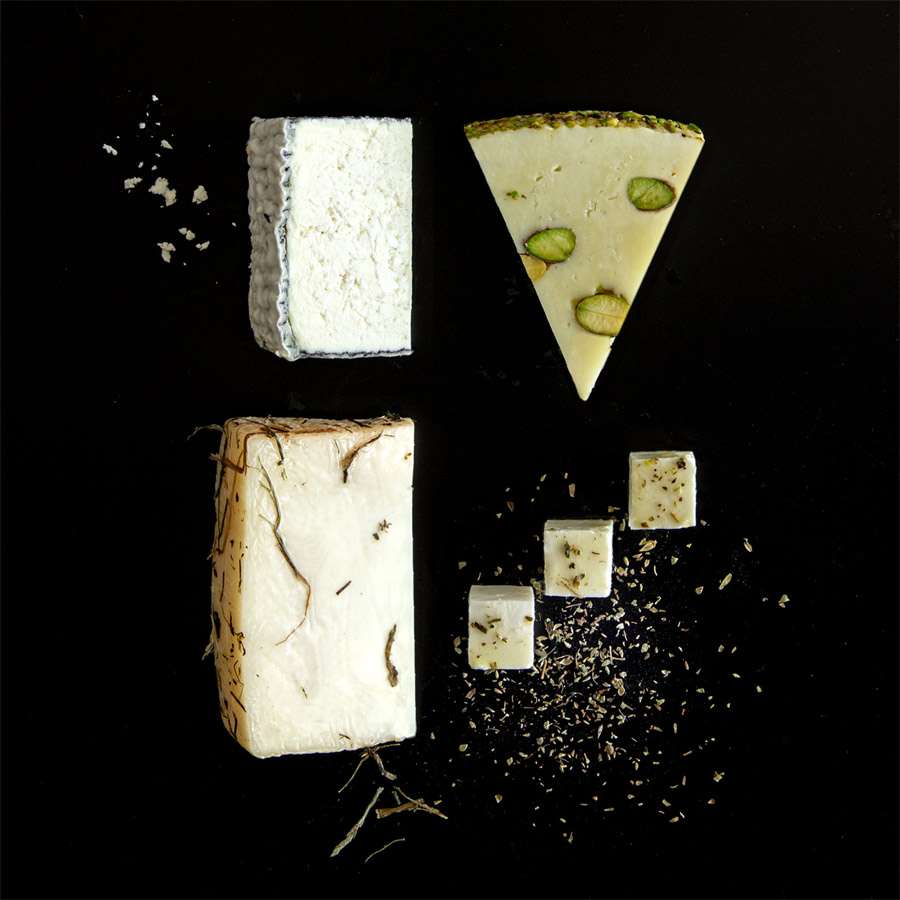
The ubriacatura process is carried out entirely by hand—a tribute from Perenzin to the Conegliano and Valdobbiadene Prosecco Hills. It features a thin rind coated in dried grape pomace and a firm, creamy semi-hard paste.
The flavor is sweet and rounded, with a long, fragrant finish offering delicate hints of Glera grape. Near the rind, where aging intensifies the flavor, warm notes of wine cellar, wood, and grappa emerge.
How to enjoy it: Serve at 20 °C (68 °F), cut into small bites that include both the paste and the rind. Remove the loose pomace (which can be used to decorate your cheese board); the cleaned rind is entirely edible. Perenzin recommends pairing it with a white wine that has undergone extended skin contact.
In the kitchen: Bufala Glera & Treviso Late Radicchio Ravioli
From the Perenzin Dairy Recipe Book — Serves 4 | Preparation time: approx. 2 hours
- Pasta: 300 g "00" flour, 50 g re-milled durum wheat semolina, 3 eggs, a pinch of salt.
- Filling: 350 g Radicchio Tardivo di Treviso, 200 g Bufala Glera cheese, 40 g scallions/spring onions, 50 ml Prosecco, extra virgin olive oil.
- Sauce: 60 g butter, 5 fresh sage leaves.
Capra Traminer: The Aromatic Grape
Made from 100% goat's milk, this cheese undergoes approximately 20 weeks of traditional aging with manual wheel-turning on wooden boards. It is then hand-rubbed on the rind with Traminer grape pomace, specially selected for Perenzin by the Aldeno Winery in Trento.
The taste is delicate yet persistent, delivering notes of tropical fruit and ripe pineapple, rounded off by a gentle, sweet lactic finish.
It is one of Italy’s most awarded goat cheeses, boasting over 20 accolades.
How to enjoy it: Perenzin recommends savoring it on its own alongside an intense, fragrant, full-bodied wine, or grated over a rich Treviso radicchio risotto.
Serve at 20 °C (68 °F), cut into small bites with both paste and rind. The outer grape pomace can be removed and used for board presentation; the cleaned rind is edible.
Capra Tonka & Vermouth: When Wine Turns into a Sweet Finale
Here, grape pomace gives way to two ingredients straight out of a perfumer’s atelier: Tonka bean—the seed of the South American Cumaru tree, known for its floral, fruity notes with hints of vanilla and anise—and Bordiga Red Vermouth from Piedmont, crafted from Nebbiolo grapes, selected white wines, and a blend of hand-harvested high-mountain herbs, spices, and roots. Perenzin selects goat cheese bases based on flavor, weight, and wheel symmetry, aging them with Vermouth and Tonka bean to enhance the cheese's refined delicacy without overpowering it.
Created in 2020 in the Perenzin workshop, it was originally intended as a limited one-off run of a few numbered wheels. Its sensational success turned it into one of the dairy's most iconic cheeses, though it is still produced in small batches once a year using only the finest wheels.
How to enjoy it: Perenzin suggests enjoying it plain as an after-dinner treat paired with a dessert/meditation wine or alongside a Vermouth-based cocktail. Serve at 20 °C (68 °F) with the rind intact, which is edible and lets you fully appreciate its complex character.
Three Cheeses, One Vision
The exact same technique—steeping cheese in wine or grape pomace—yields strikingly different results: the rounded richness of the buffalo milk, the aromatic fruitiness of the Traminer goat cheese, and the spiced, fragrant complexity of the Tonka & Vermouth.
And there is exciting news on the horizon: all three cheeses—Bufala Glera, Capra Traminer, and Capra Tonka & Vermouth—have been entered into the World Cheese Awards 2026, alongside many other cheeses from our selection.
Two of them have already achieved Super Gold status in previous editions: Bufala Glera and Capra Tonka & Vermouth. We are eagerly waiting to see what happens this year!