If you look around these days, you’ll see almost nothing but carved pumpkins, fake cobwebs, and mass-produced candy. It is the modern face of Halloween—a holiday that contemporary commerce has turned into a pop-style, dark carnival.
Yet the night of October 31st holds ancient roots that belong to the silence of the earth, the cycle of the seasons, and farming memory. Long before it was called Halloween, October 31st was Samhain, a Gaelic word that literally means “summer’s end.” In the Celtic calendar, the year did not begin in January, but right now: Samhain was the true New Year, the turning point that closed the “light” half of the year (of sunshine, sowing, and open pastures) and inaugurated the “dark” half: winter.
A Thin Border Between Two Worlds
For the Celts, time was not a straight line, but a circle governed by the breath of nature. Samhain was a liminal threshold, a middle ground: the old season was dead, but the new one had not yet been born. In this suspended time, it was believed that the veil between the visible and invisible worlds grew thin, allowing the memory of ancestors to draw near to the living.
There was no terror in this—only sacred reverence. To guide benevolent spirits and protect the community from the coming bitter cold, a vital communal ritual took place: the ritual of the new fire. Tradition holds that every hearth in the village was extinguished. In complete darkness, the druids lit a single, massive bonfire, often fed with branches of sacred oak. From that single flame, each head of the household took an ember to rekindle their hearth at home: an act symbolizing rebirth, unity, and the promise that human warmth would endure through winter’s grip.
Aged Cheese: The White Gold Defying the Frost
What does any of this have to do with food—and, above all, with our craft? Everything.
Samhain was the pinnacle of the pastoral calendar. As November drew near, the transhumance came to an end: herds and flocks were brought down from the high summer pastures and sheltered in valley barns. It was a time of reckoning and survival. In the barns and aging cellars, this night marked the beginning of the stockpiling season. With livestock sheltered and diets shifting from fresh grass to hay, the milk’s aromatic profile transformed, growing richer, more concentrated, and rounded.
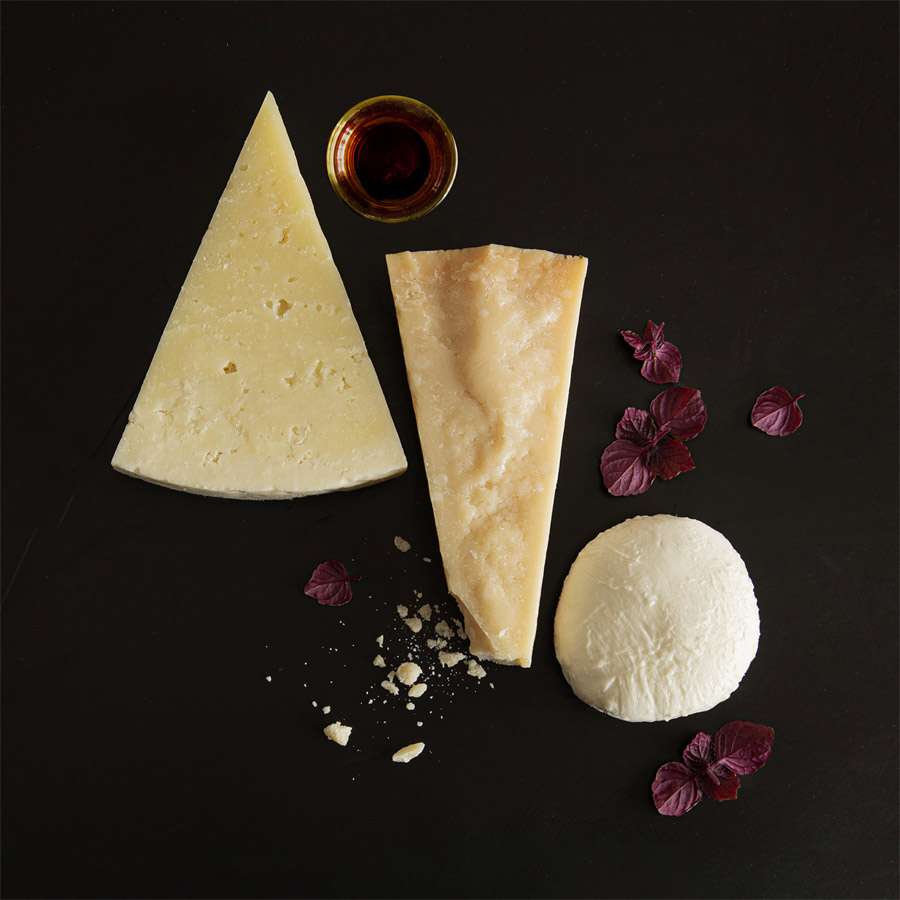
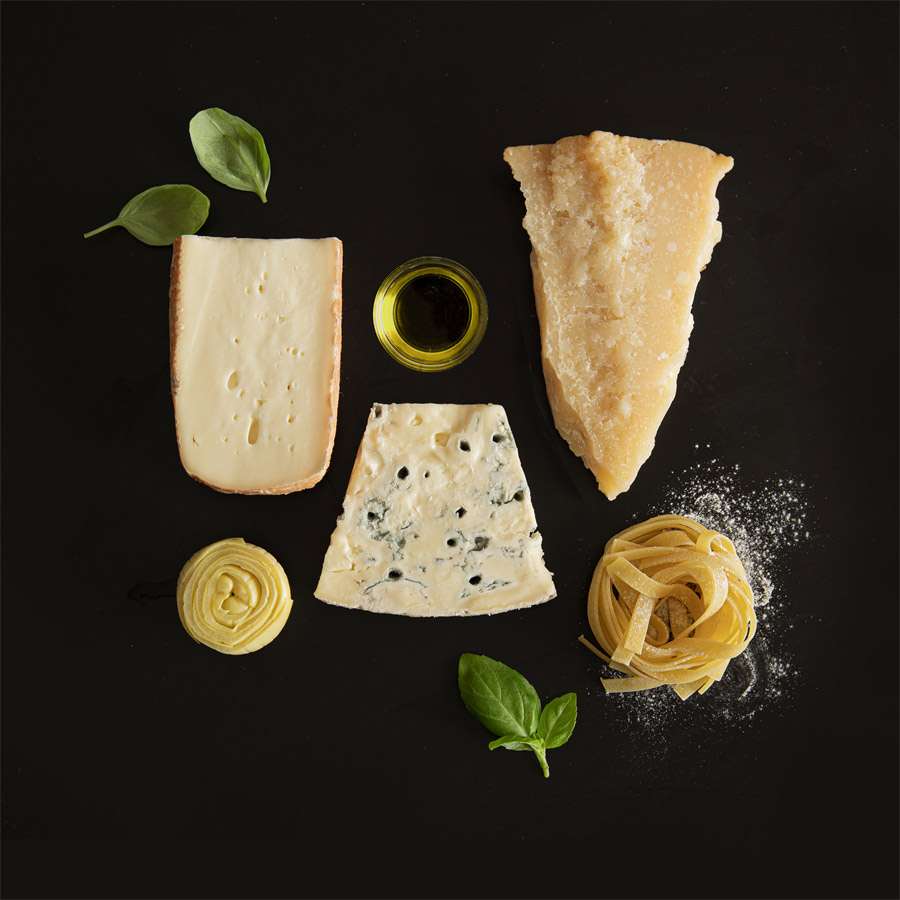
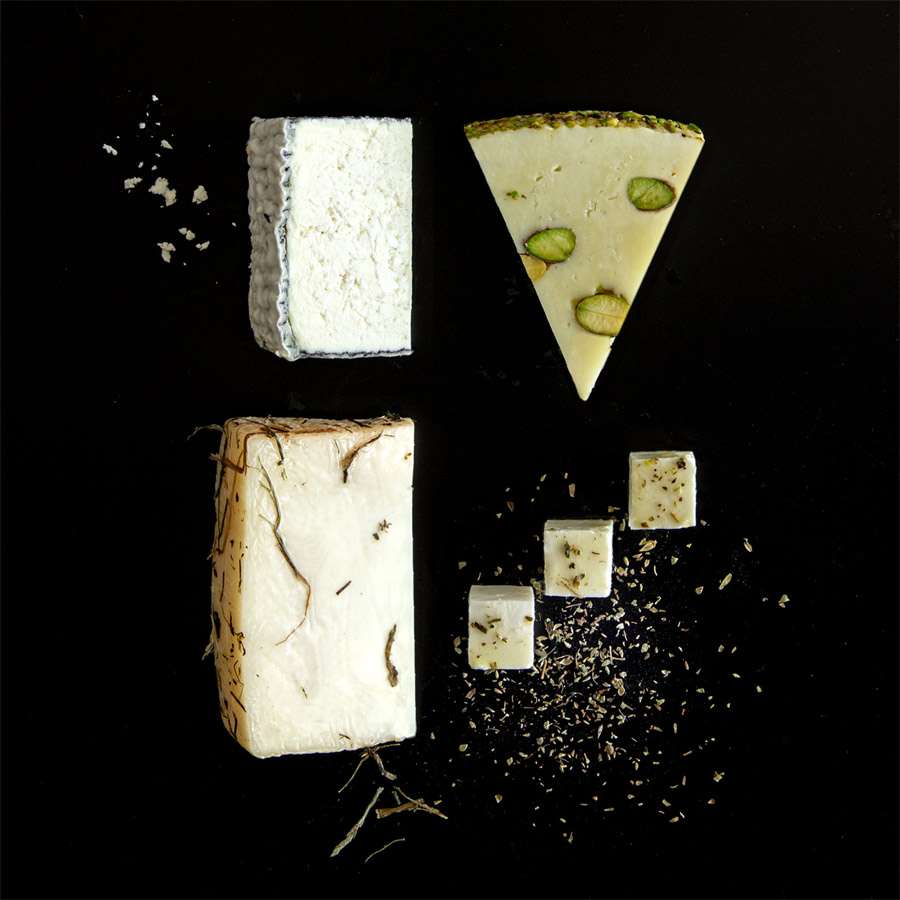
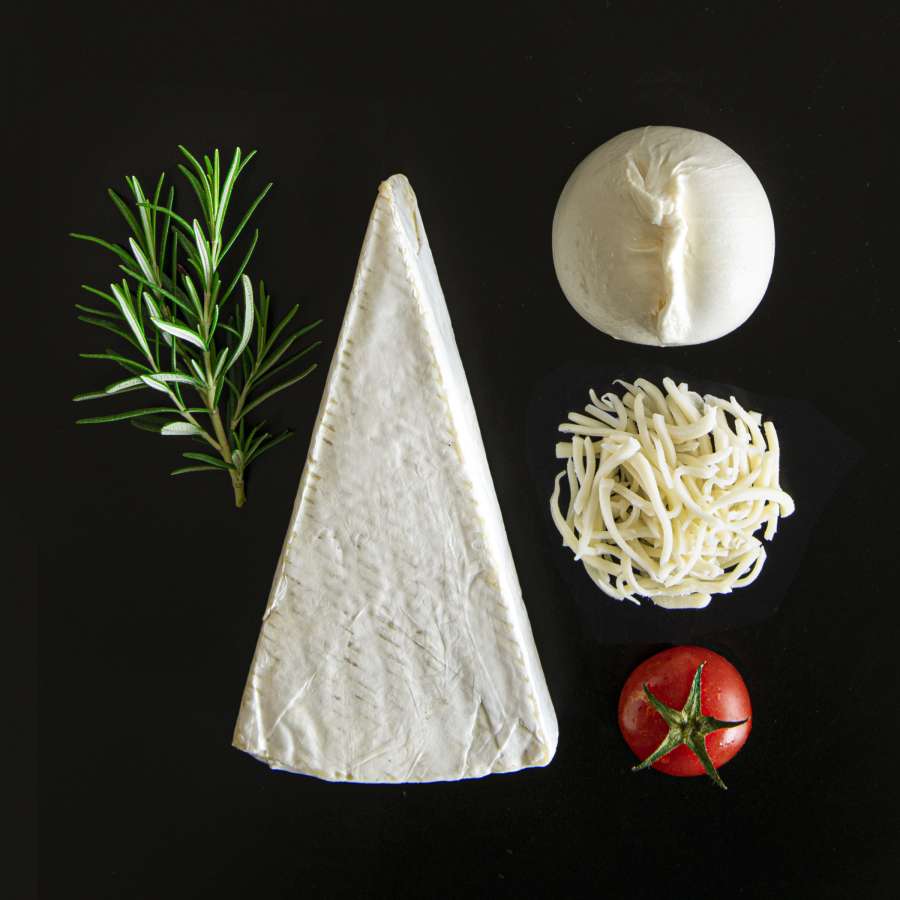
The cheese wheels crafted during the summer in mountain pastures rested in the darkness of the aging cellars. Winter was when time patiently turned milk into structure, aroma, and complexity. Celebrating Samhain meant gathering around the fire, giving thanks for the earth's bounty, and sharing what had been painstakingly made to weather the cold months ahead. Eating cheese in winter was a celebration of the pastures' past generosity and the quiet assurance of making it through the cold.
A Flame Still Burning
Today, village bonfires have become pumpkin lanterns perched on windowsills, but the underlying gesture remains unchanged: as the days shorten, we gather around a table, light a warm flame, and share what the earth and time have given us. In every aging wheel of cheese lies a piece of that ancient promise: summer hasn't ended; it has simply transformed into something deeper.
So, between one “trick or treat” and the next, if you wish to honor Samhain in its most authentic spirit: light the fireplace, cut a sliver of well-aged cheese, and raise a glass to the night that welcomes winter.